Week 1
The Politics of Exclusion
Soci—229
A Gentle Introduction
Some Orienting Questions
The First of Many Group Exercises
What is your name and major?
Are there any highlights or lowlights from your summer that
you’re willing to share?What do the terms far right and exclusionary politics mean to you?
What does sociology mean to you?
Peering Ahead for
Some Answers
A (Relevant) Preview
Excerpt From Week 5
We must take “hardened” fascists seriously in a far more sinister sense, as the eventual perpetrators of great evil. We must not excuse or relativize this but seek to understand it. The capacity for evil is an essential human attribute, and so is our capacity to commit evil for what we believe to be moral purposes. Fascists were especially self-deluded. We need to know more of the circumstances in which we humans do this.
(Mann 2004, 3–4, EMPHASIS ADDED)
More (Relevant) Previews
From Weeks 9 and 10
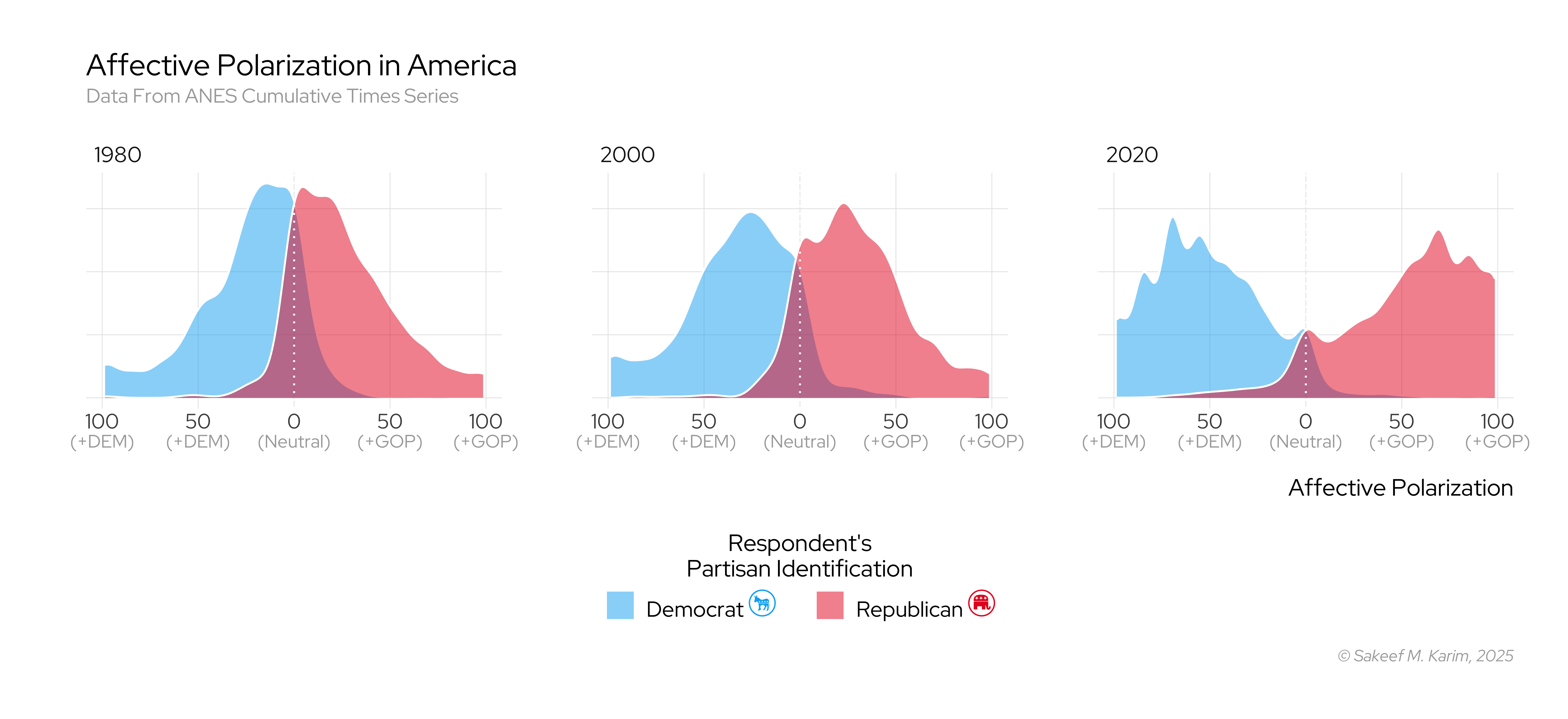
Click Image to Launch Gallery
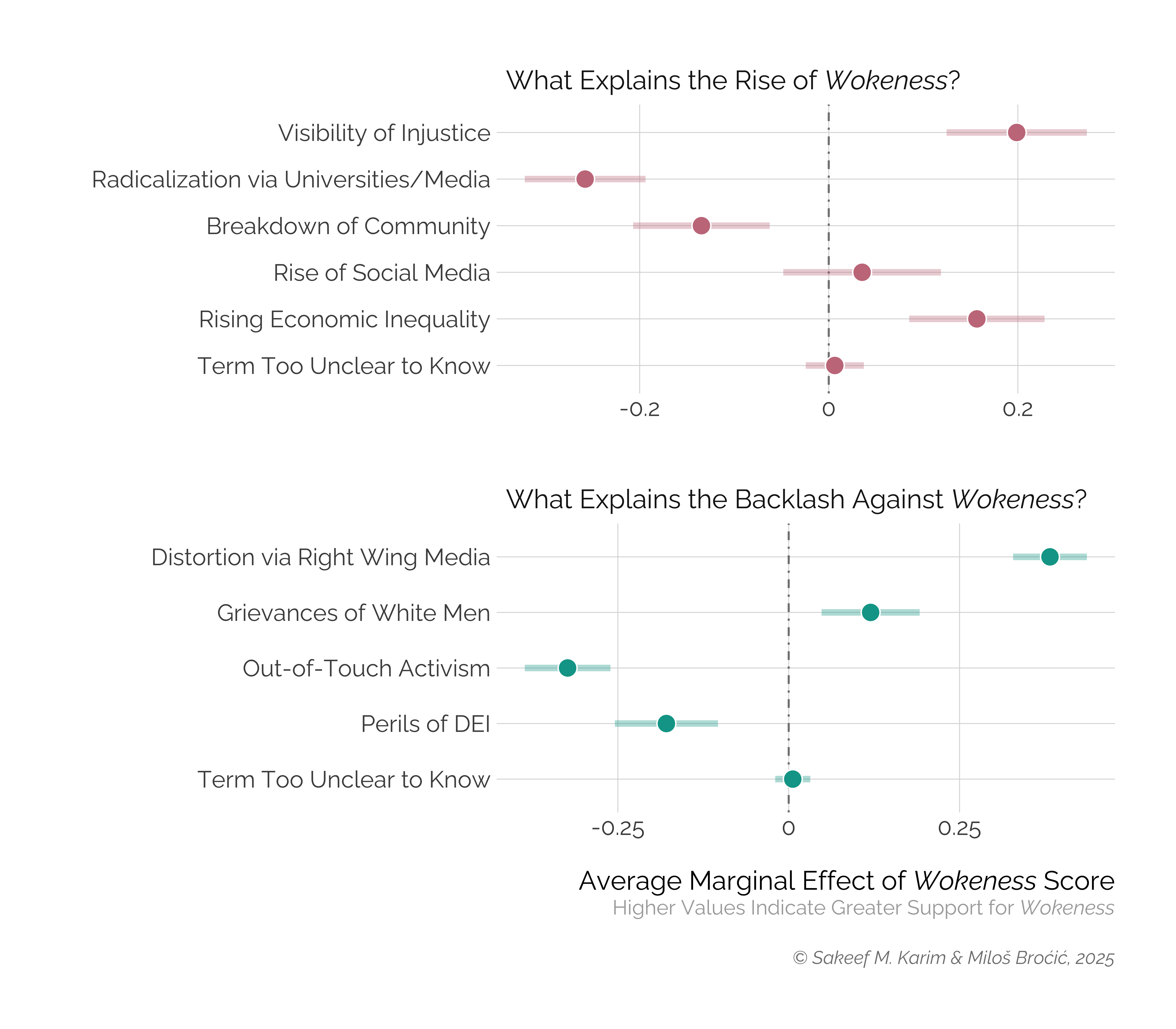
An Odd Introduction
My Summer

My Summer

My Journey
My Journey
All places that have, in recent years, been unmoored by the
politics of exclusion in different ways.
My Journey

Click Image to Launch Gallery and View Sources
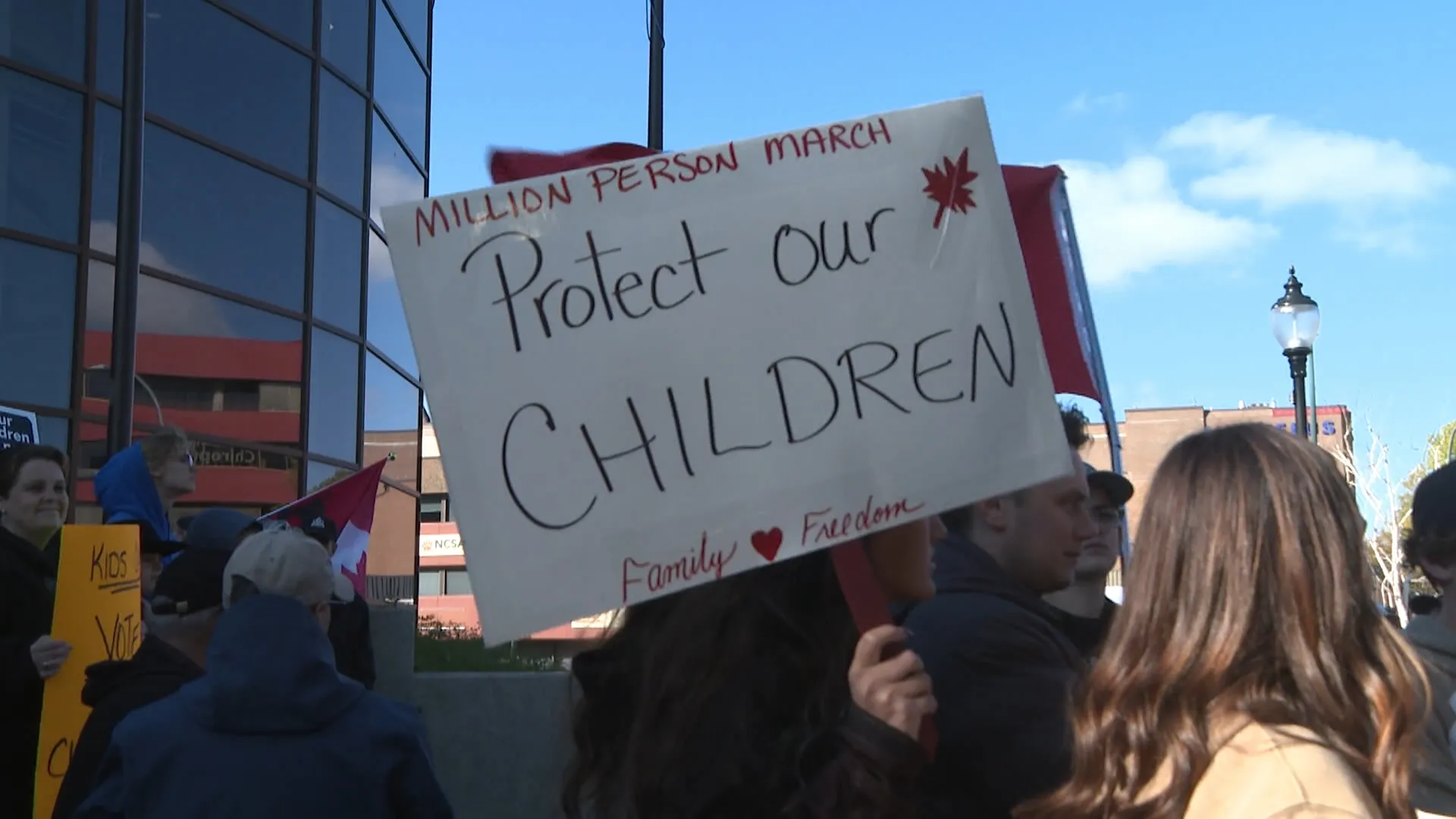

My Research
Exclusionary Politics
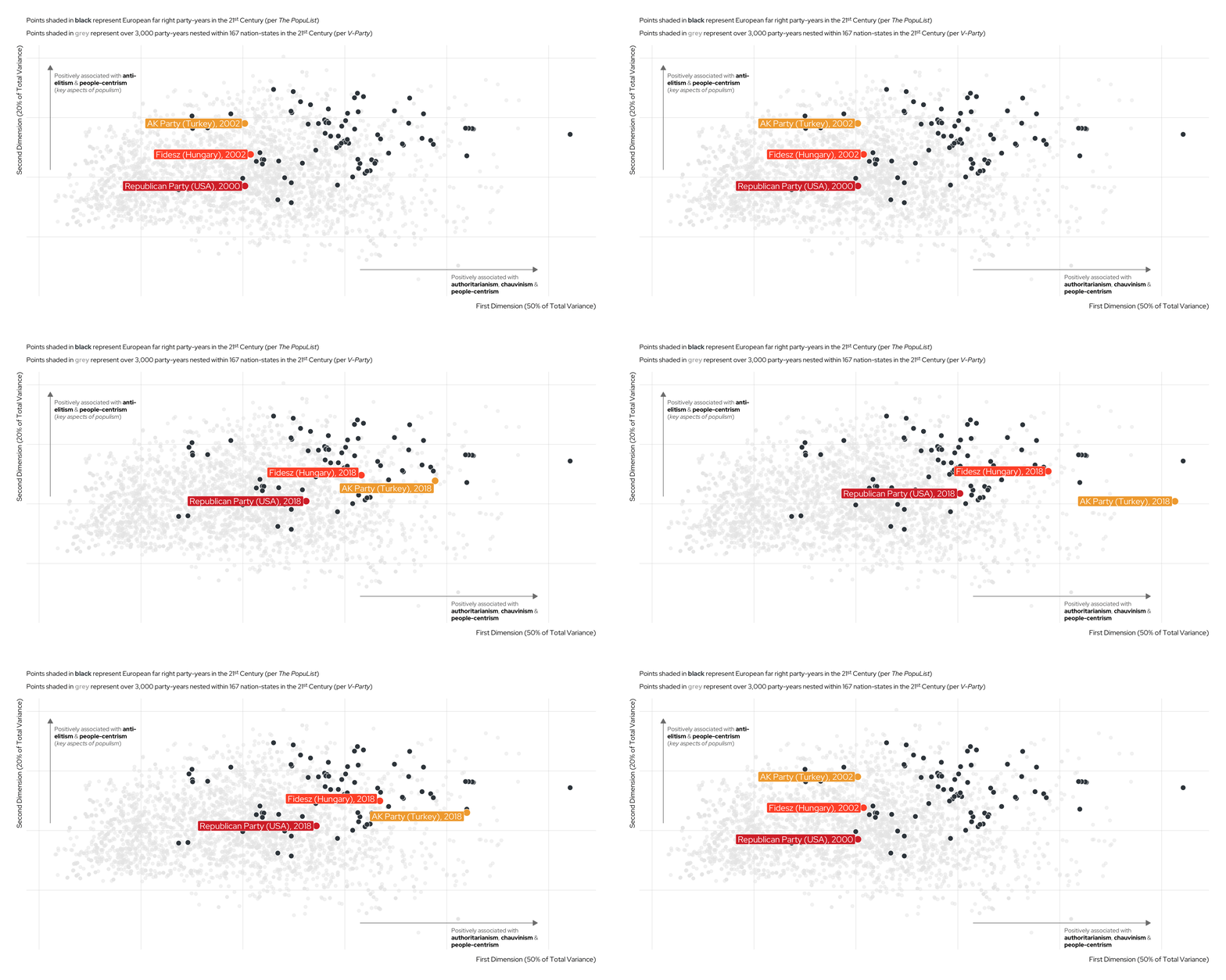
My Research
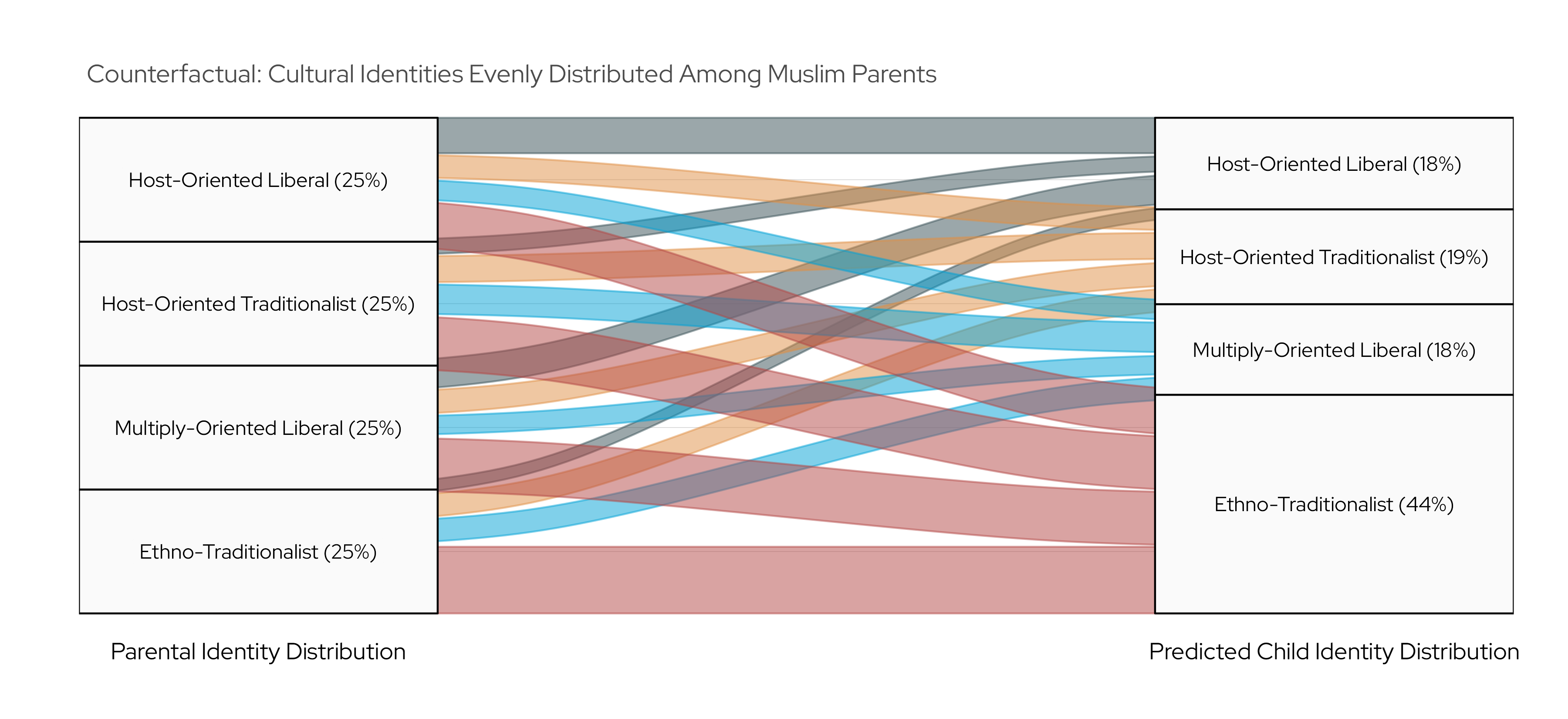
Personal Culture of Immigrant-Origin People
This Class
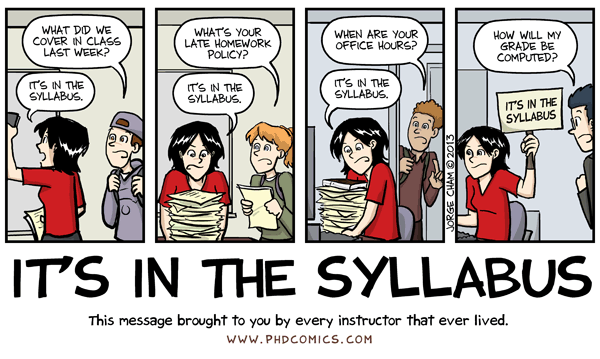
The Syllabus
The Syllabus
Office Hours
Fridays, 9—11 AM in Morgan Hall, Room 306
Office Hours
Appointment Policy
All meetings, even during office hours, must be scheduled in advance via Google Calendar.
Readings
Course Readings
All readings can be accessed via the eReserves page on our course website.
Evaluations
Note: Scroll to access the entire table
| Task | Description | Weight | Deadline or Evaluative Time Horizon |
|---|---|---|---|
| Response Memos | On a weekly basis, students will engage with—and respond to—questions posed on our Moodle Discussion Board. Responses must be between 250–400 words, or a penalty will be applied. | 10% | 8:00 PM on Mondays. Evaluated from Week 3 onwards. |
| Participation | Students must actively participate in class discussions by raising their hand to share their thoughts or by meaningfully contributing to small group conversations. | 10% | Evaluated during class sessions throughout the term. |
| Midterm Paper | Students may work individually or in groups of two to submit a short paper (8-10 double-spaced pages, 12-point font) summarizing at least one major topic from Part I of the course. To earn an A, the paper should analyze at least two major topics and explore their connections. Students choosing to work in groups must meet with me—both before and after the due date—to discuss how the work will be or has been divided. Other expectations will be outlined in a set of guidelines, which will be provided at a later date. | 30% | Friday, October 24th at 8:00 PM. |
| Final Paper Proposal | Students are required to submit a term paper on a topic of their choice, subject to my approval as the course instructor. Students must meet with me during office hours to discuss their initial ideas for the paper. All papers must be related to the politics of exclusion as conceptualized in this class. To finalize the approval process, students must submit a brief (1–2 page) proposal that outlines their selected topic, explains its relevance to the course, and highlights the main arguments they intend to advance. | 5% | Friday, November 21st at 8:00 PM. |
| Final Paper Presentation | Students will deliver a 7–10-minute presentation based on, or informed by, their term paper. A rubric detailing my basic expectations will be posted later in the term. | 10% | During Part IV of our class. |
| Final Paper | As noted, the term paper must focus on a topic related to exclusionary politics and must be approved by me, the course instructor. Papers should be 10–15 pages long, double-spaced, and written in 12-point font. Other expectations will be outlined in a set of guidelines, which will be provided at a later date. | 35% | Wednesday, December 17th at 8:00 PM. |
Evaluations
Guidelines for Key Deliverables
Guidelines for key deliverables will be gradually rolled out (or uploaded online) as
deadlines come into focus.
Norms, Rules, Regulations & More
Accessibility and Accommodations
If you require accommodations, please contact Student Accessibility Services as soon as possible and submit an application through the AIM Portal. More generally, if you have any suggestions about how this class can be more accessible and inclusive, please let me know via e-mail or during office hours.
Norms, Rules, Regulations & More
Class Policies
Please review the Amherst College Honor Code, which can be accessed in its entirety here.
Violations of the Honor Code will be promptly reported to the Dean of Students. As Section 1.1 of the Honor Code indicates, plagiarism is a serious offense. In most cases, students who plagiarize the work of others will fail this class and may face additional disciplinary penalties. Moreover, as detailed in Sections 1.2 to 1.4 of the Honor Code, students must respect others in the classroom, including those whose views deviate from their own. Failure to do so will prompt disciplinary action.
There is no reason to pretend like generative artificial intelligence (GAI) does not exist in the world out there. These systems have arrived, and they may revolutionize how higher education “works.” With this in mind, you are free to use ChatGPT and its analogues for class assignments—but you have to cite the GAI you are using. Failure to do so amounts to plagiarism.
To reiterate:
Generative AI Policy
If you use a GAI tool (like ChatGPT) and do not cite it, it is a form of plagiarism.
You are expected to attend each and every class. If you do not, you will lose points for participation. That said, I am aware that you are all human beings whose lives are often fraught with uncertainty. If something comes up, please let me know and I will do my best to be as accommodating as possible. Extended absences may, however, require additional documentation (e.g., note from a physician).
Provisionally, I have decided to allow students to use laptops and tablets in class. This is, however, highly conditional. If I observe students using their electronic devices for non-academic pursuits (e.g., shopping, consuming social media and so on), I will institute a sweeping ban on electronics.
Do not be the one to contravene our social contract.
On weekdays and non-holidays, I will respond to e-mails within two days. If I fail to meet this standard, please send me a follow-up message with a gentle reminder. On weekends and breaks, I will not respond to e-mails unless you have an emergency. If you do, please remember to include EMERGENCY in the subject line.
Assignments must be submitted on time. A late submission will result in a penalty of 5% for each day beyond the deadline. However, as noted, I am well aware that life can present unexpected challenges. If you anticipate missing a deadline or have an emergency, please let me know soon as you can. Extensions may be granted on a case-by-case basis.
General Expectations for Soci—229
Read carefully but efficiently.
This is not a research seminar. You do not have to read or scrutinize methods sections—unless that is of interest, of course.
Participate in class conversations. We’ll all learn more that way.
Have fun.
So, What is The “Far Right?”
Key Building Blocks
As I will argue throughout this course, the far right is defined by—and heavily propagates—the politics of exclusion. Over the next few months, we will unpack what this means in more concrete terms.
For now, I will leave you with a high-level (and rather crude) definition—
Far right movements, discourses, and frames generally rely on ethno-nationalist and authoritarian appeals. Many far-right actors valorize direct and participatory forms of (unmediated or unfettered) democratic governance but are hostile to liberal democracy. For these individuals and movements, populist claims-making is also commonly invoked—at least in the Global North (Bonikowski 2017; Mudde 2019; Rydgren 2007).
An Aside (Click to Expand and/or Close)
Far-right actors and movements are increasingly defined by their opposition to the liberalization of ideas around gender and sexuality, too (Butler 2024) — a proposition we’ll revisit in Week 6.
Enjoy the First Week
References
United States
Image can be retrieved from here.
Canada
Image can be retrieved from here.
Bangladesh
Image can be retrieved from here.